Latest Works

  • Klaus Fröhlich

    Klaus Fröhlich

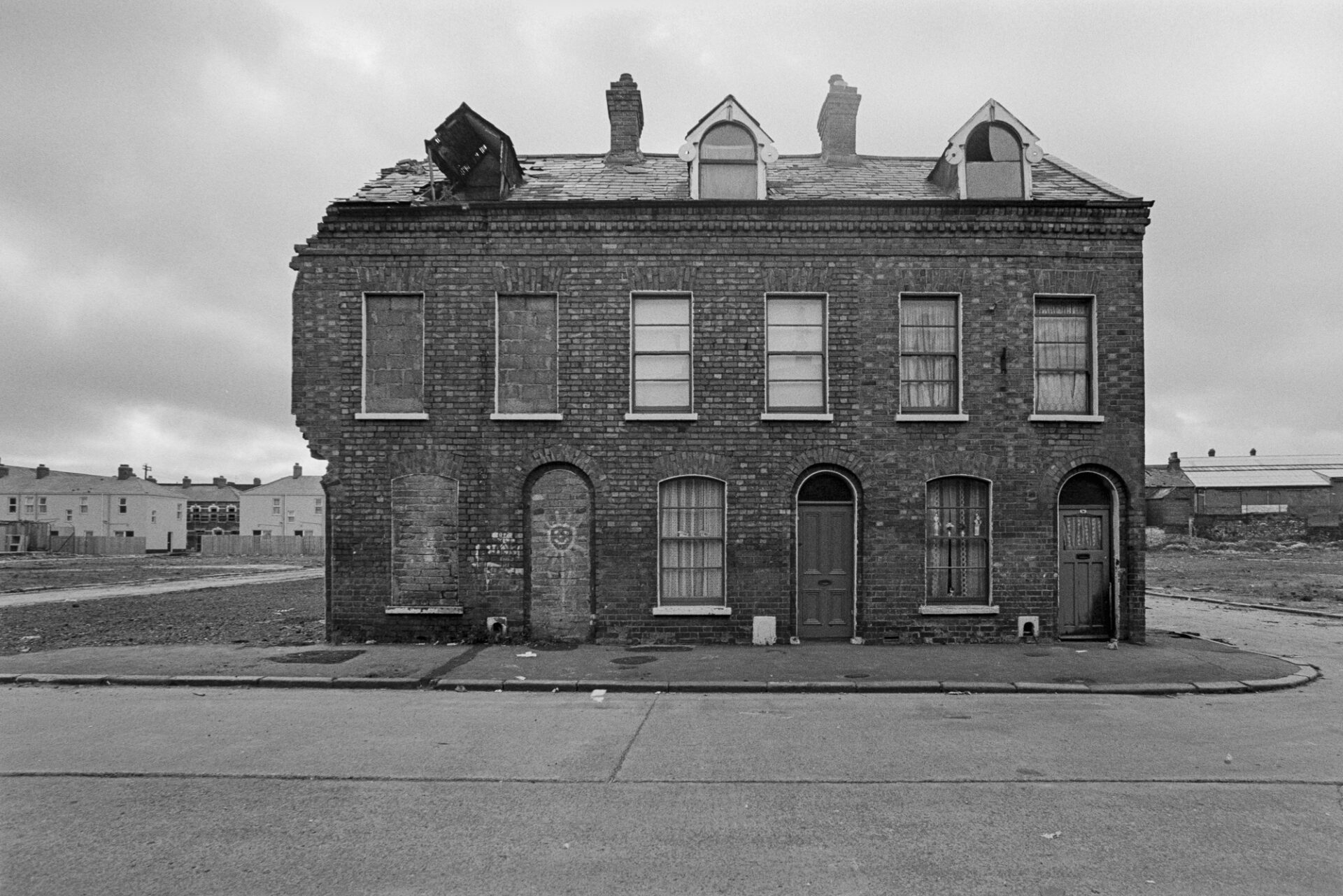
    “The first time I went to Ireland I was a photography student. That was 1979. I had decided to visit Belfast to get an impression of what the conflict is doing with a city. I didn’t have a lot of information, just what we had in the newspapers. I was also planning to visit a fishing cooperative in Toombridge on Lough Neagh that I had read about.

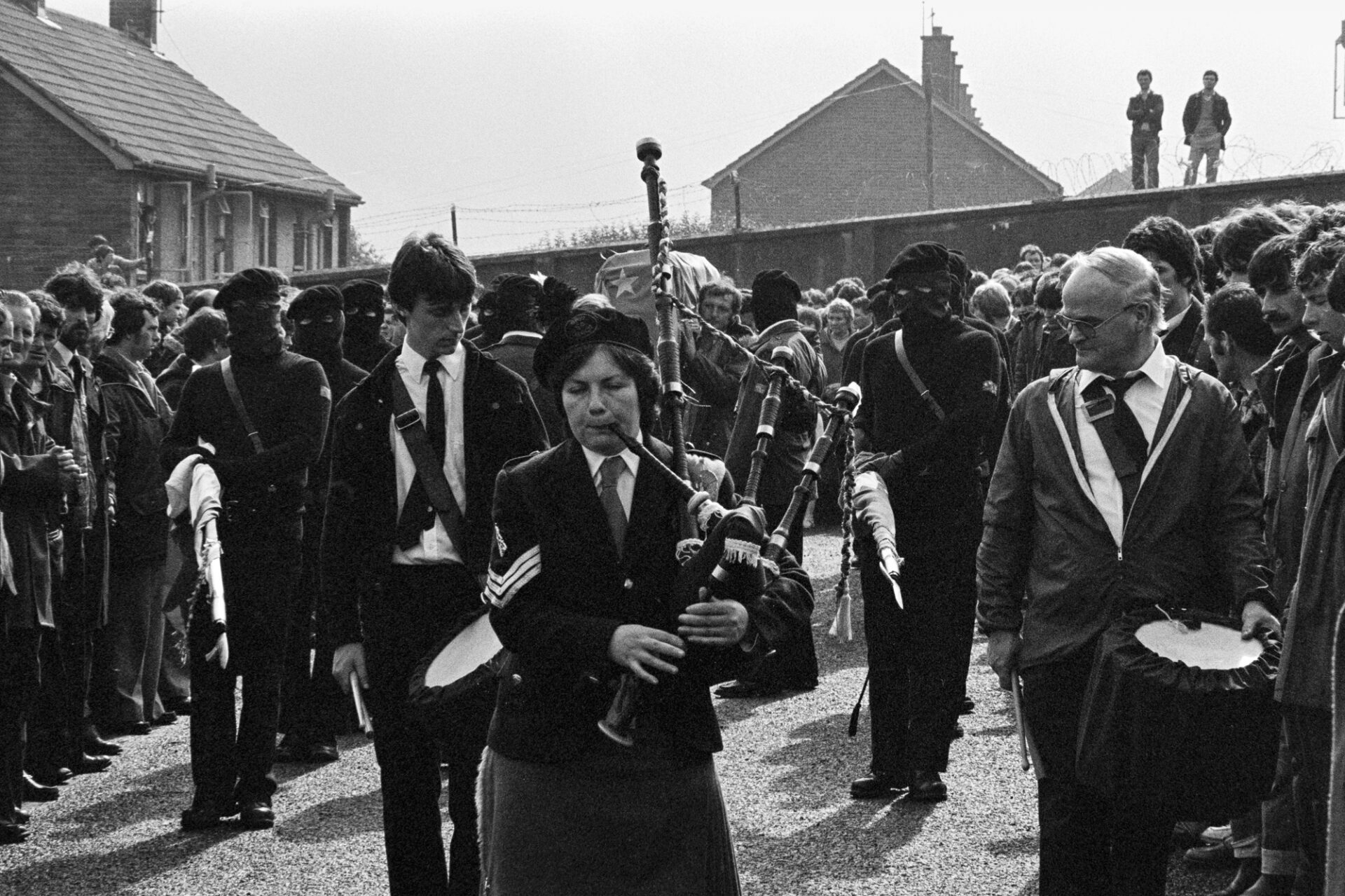
    The second time I went to Belfast was in 1981. That was the time of the hunger strikes. There was a chance to get a seat on a bus to Michael Devine’s funeral in Derry. He had died the week I was taking pictures in Belfast.

    My stays in Belfast were only ever for a week. I was still a student and didn’t have a lot of money. I was hitchhiking.”

    https://www.klausfroehlich.de/

  • Collected images

    Collected images

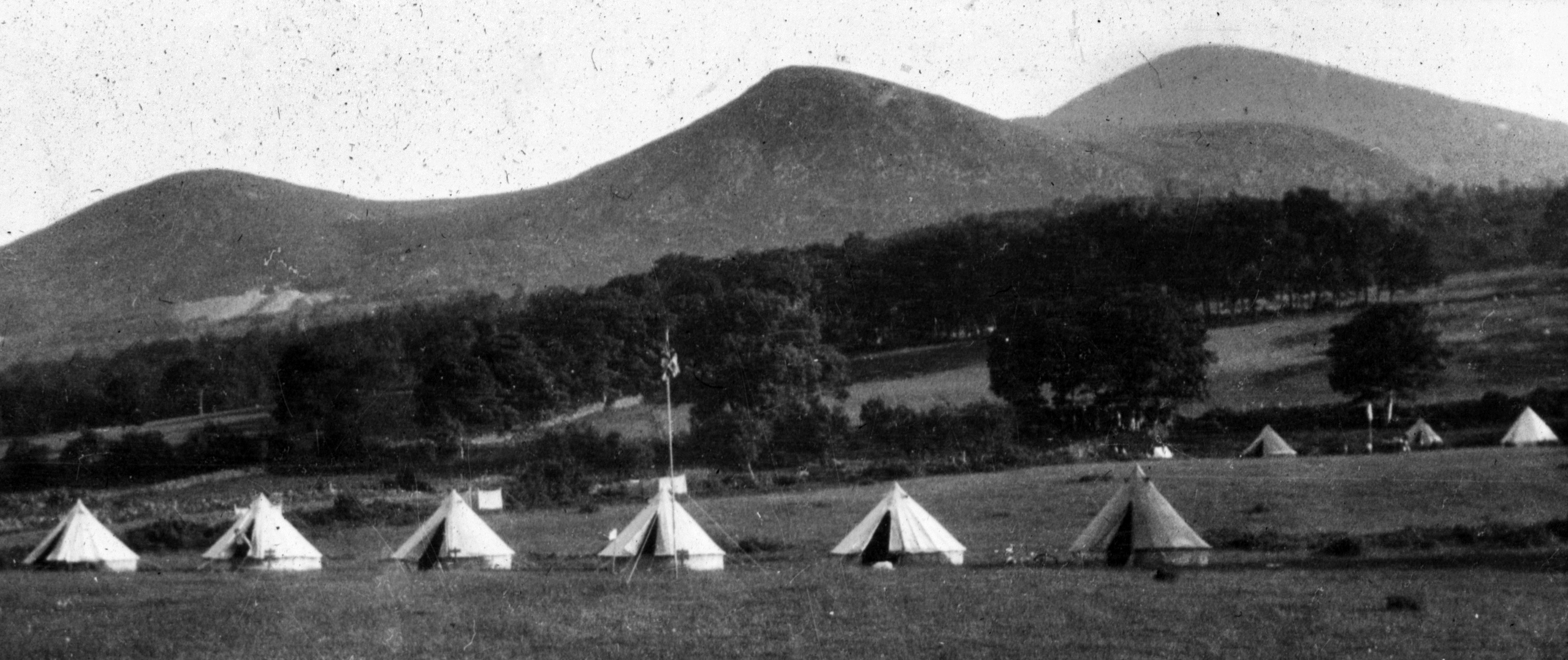
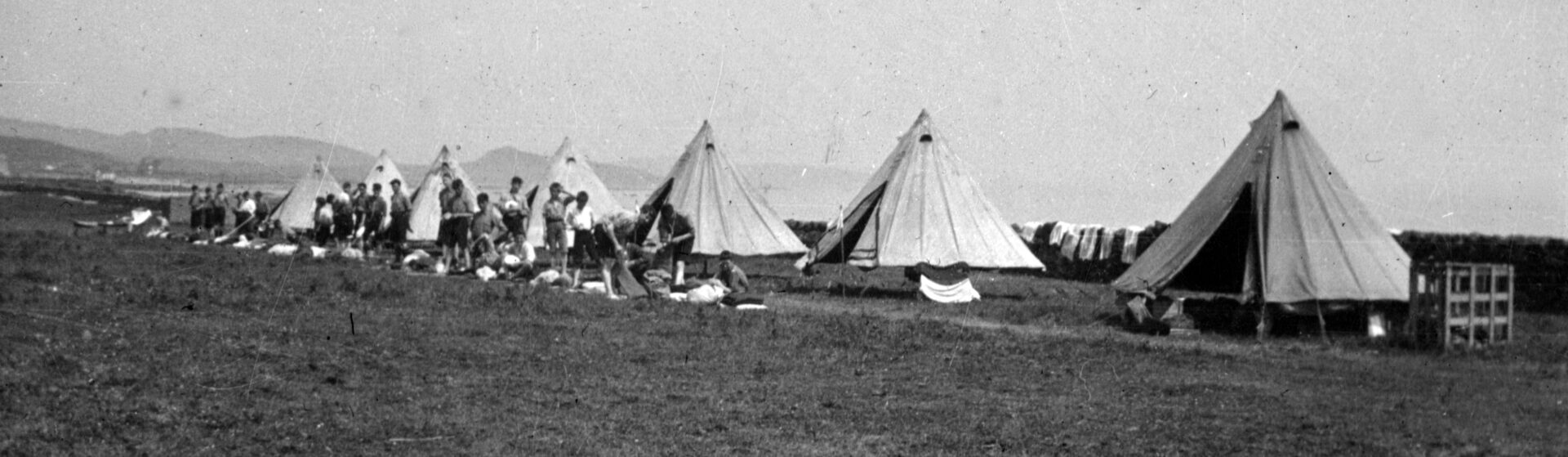
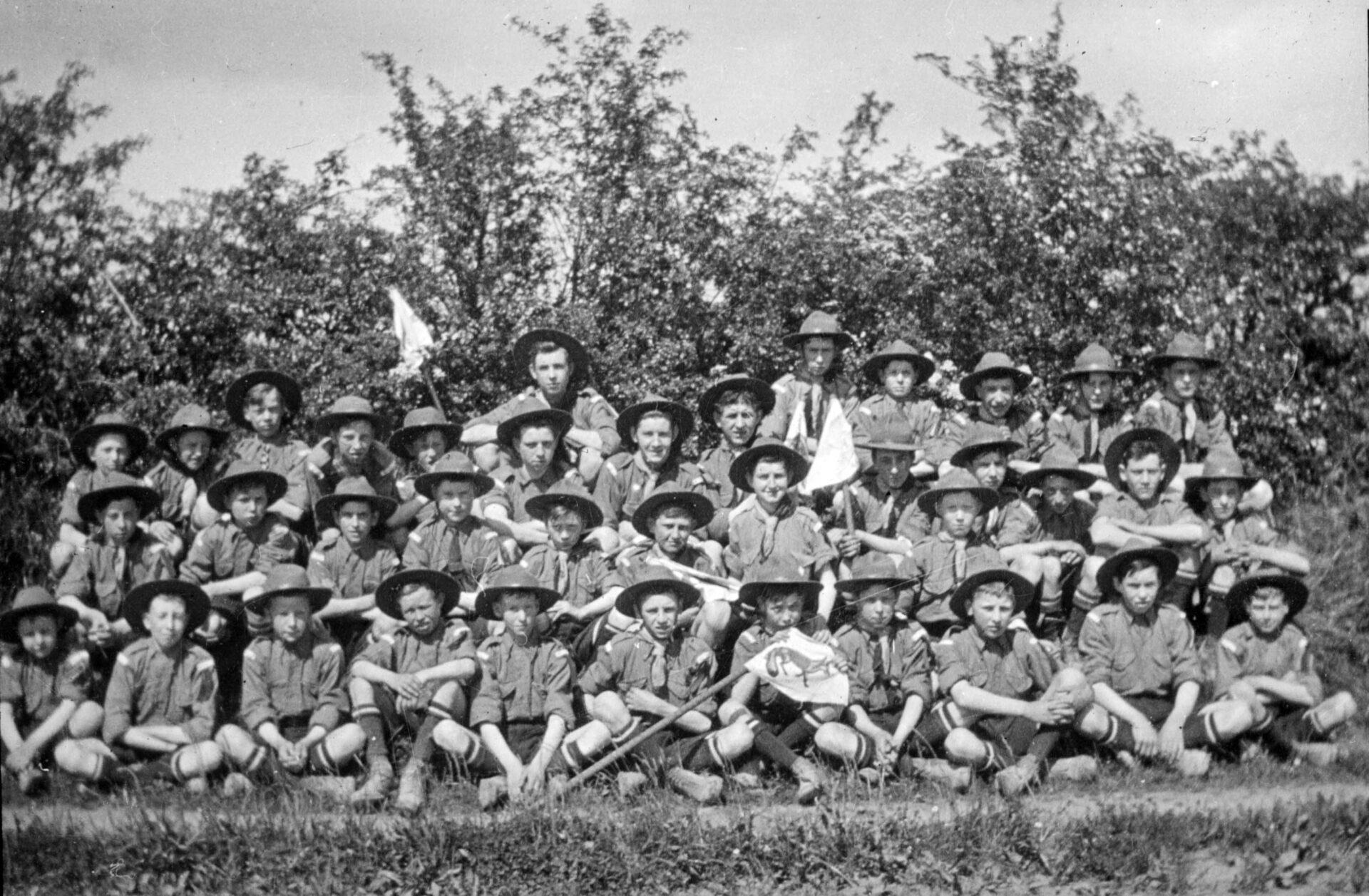
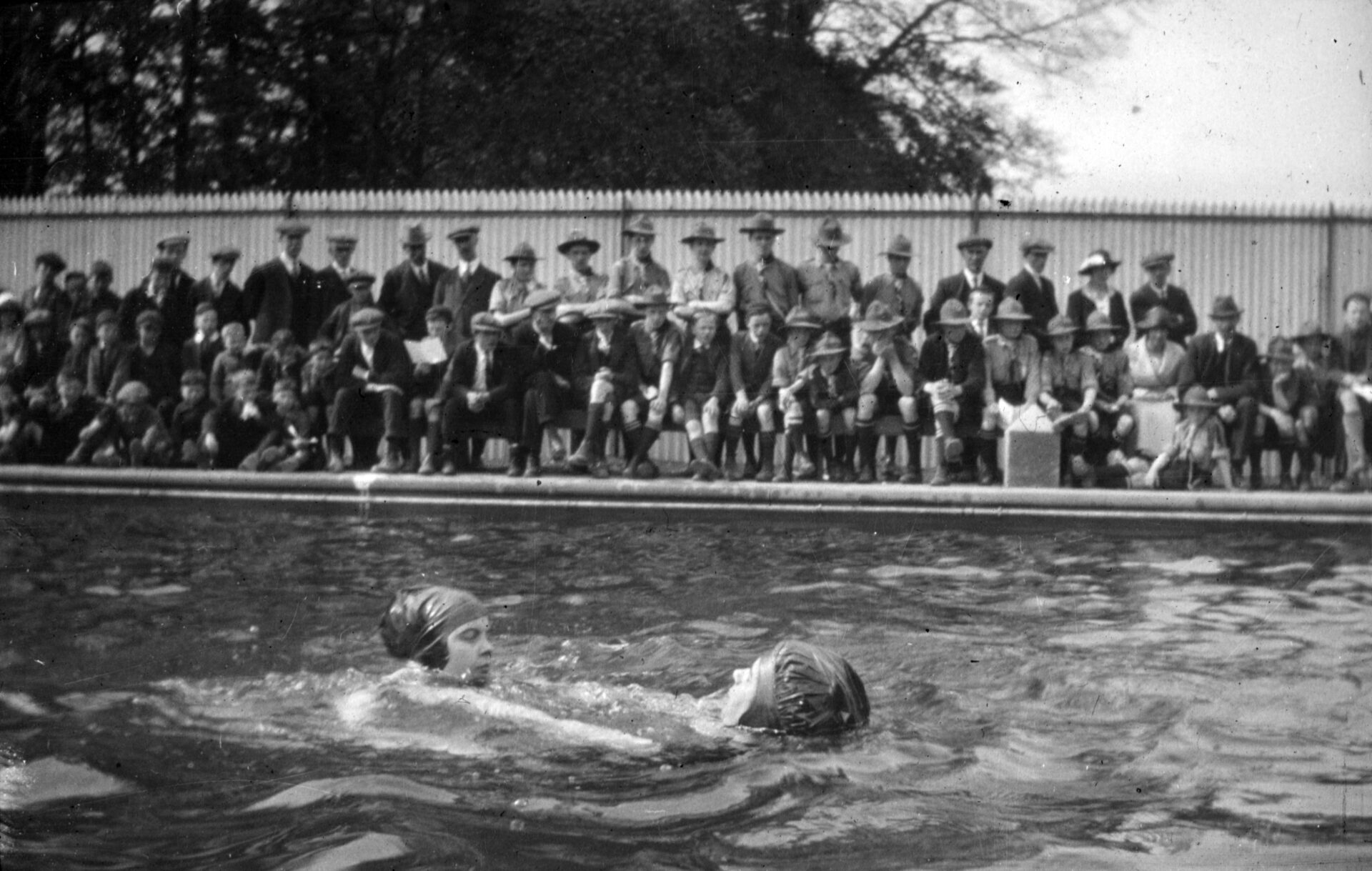
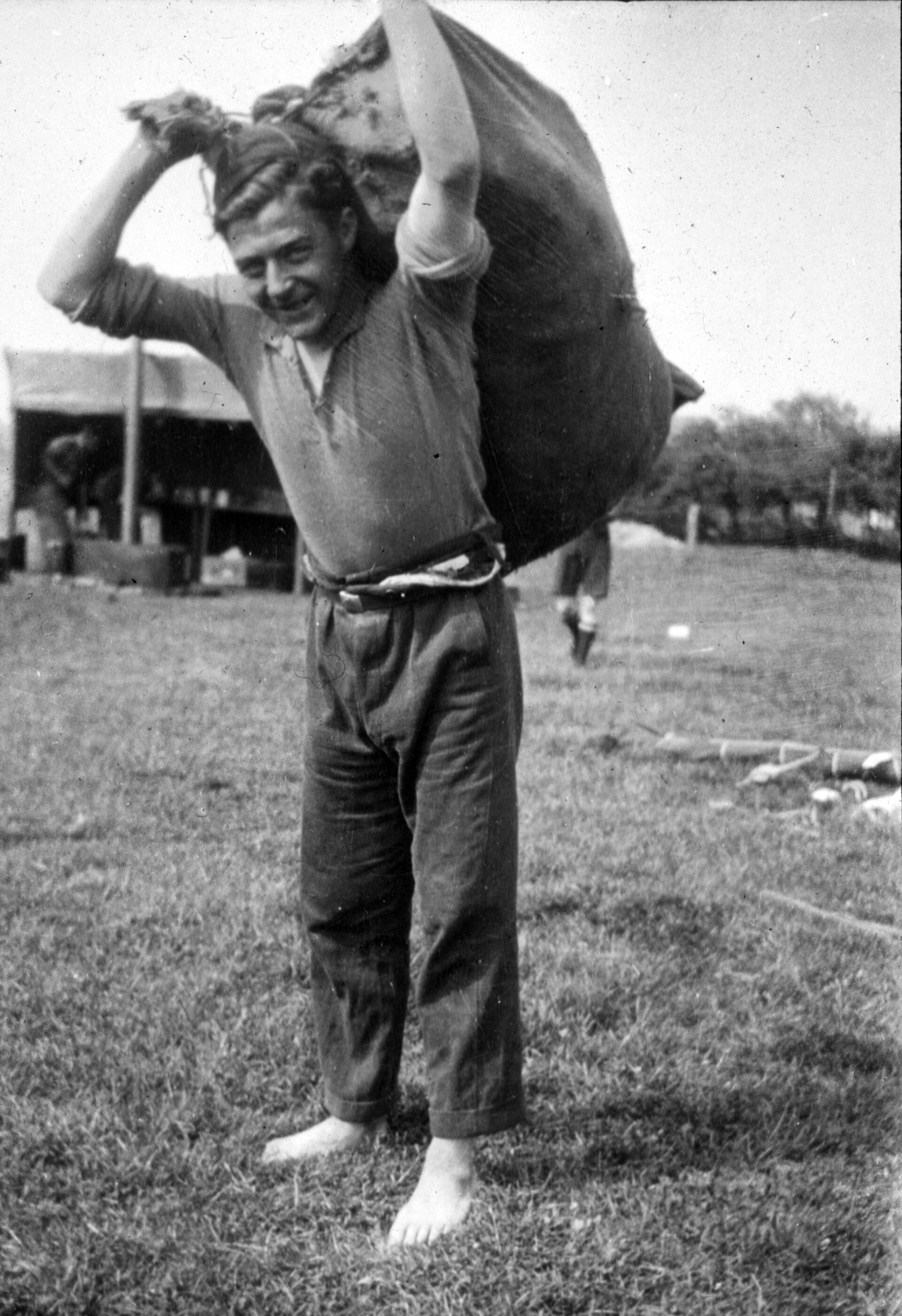
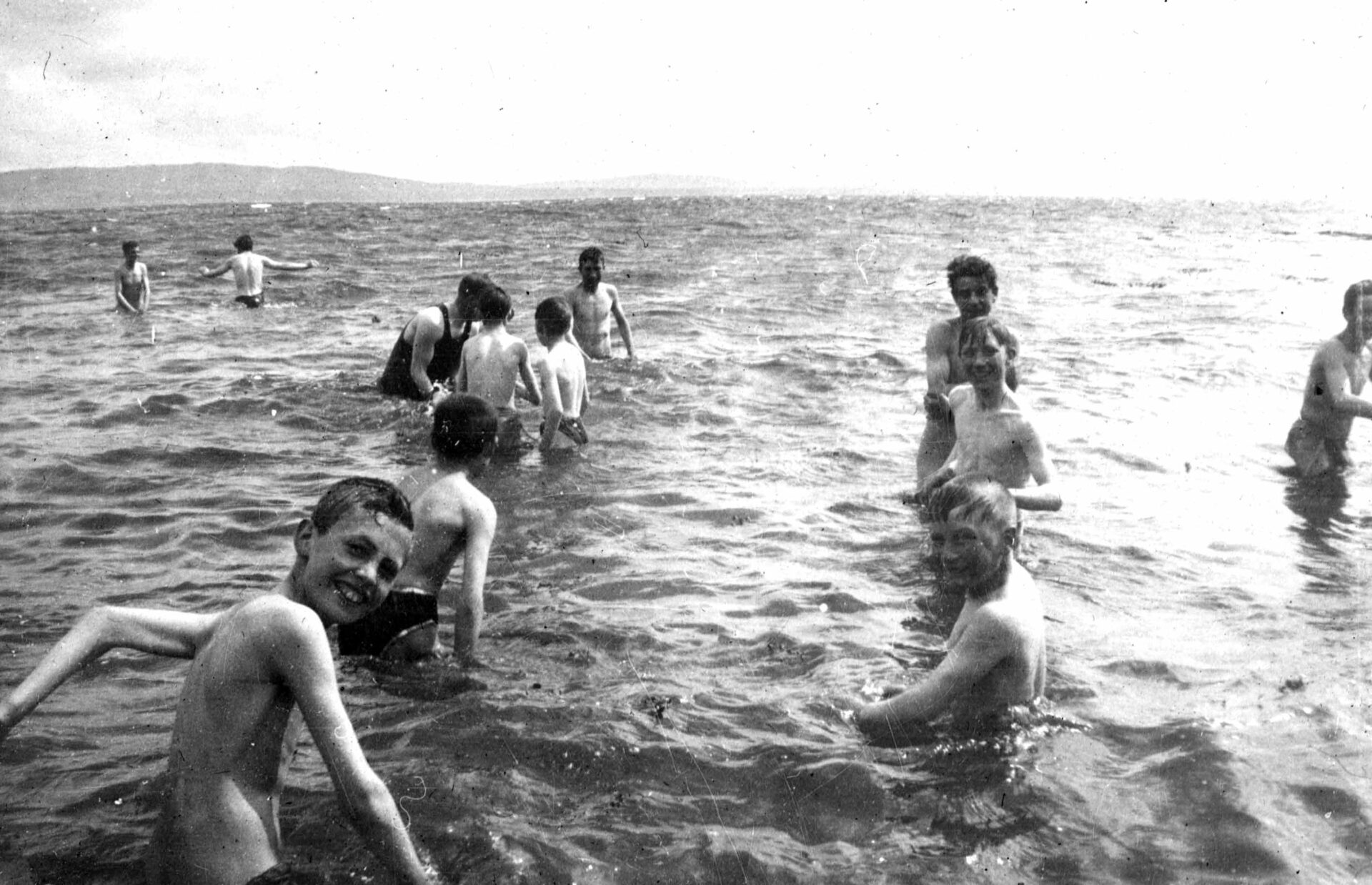
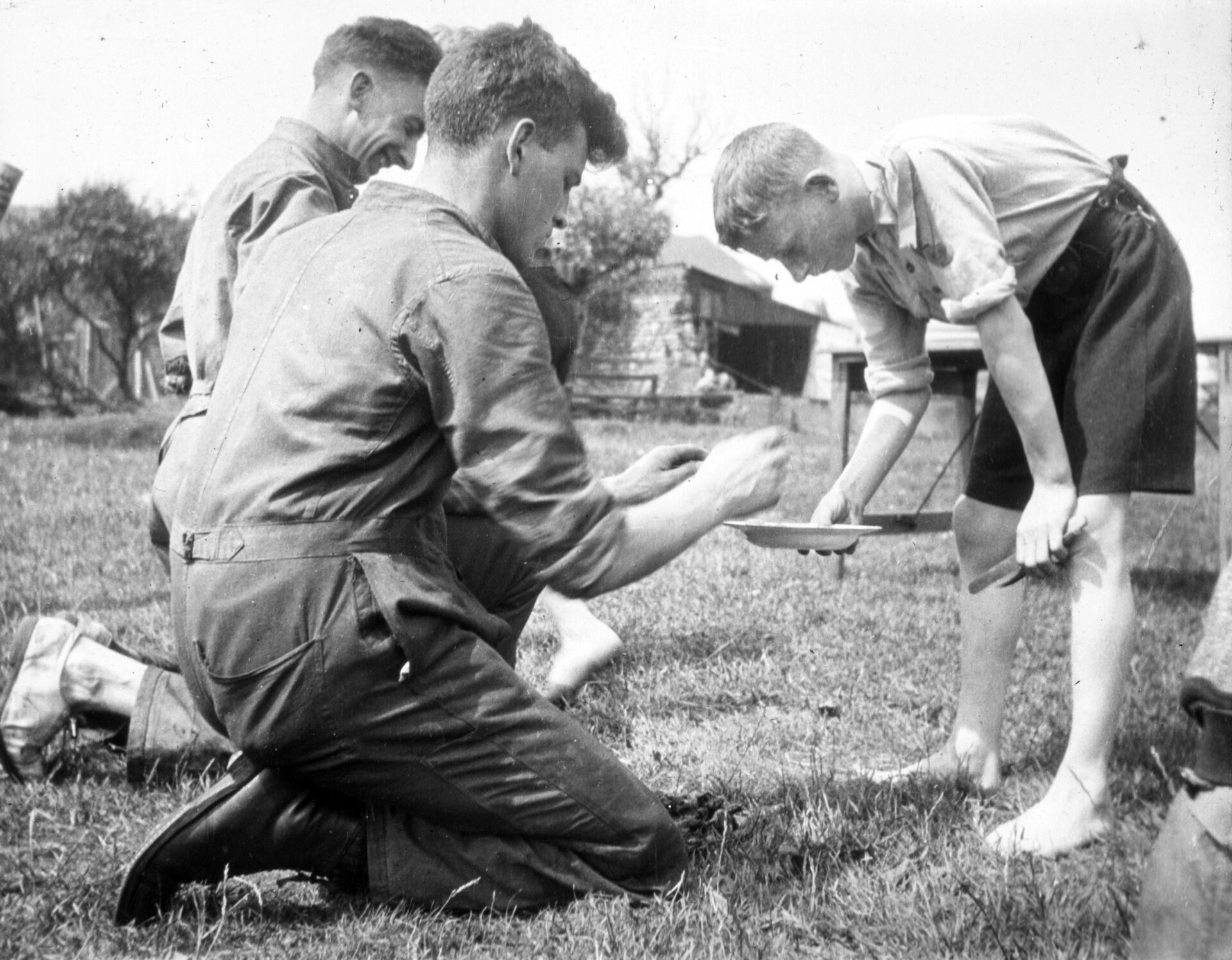
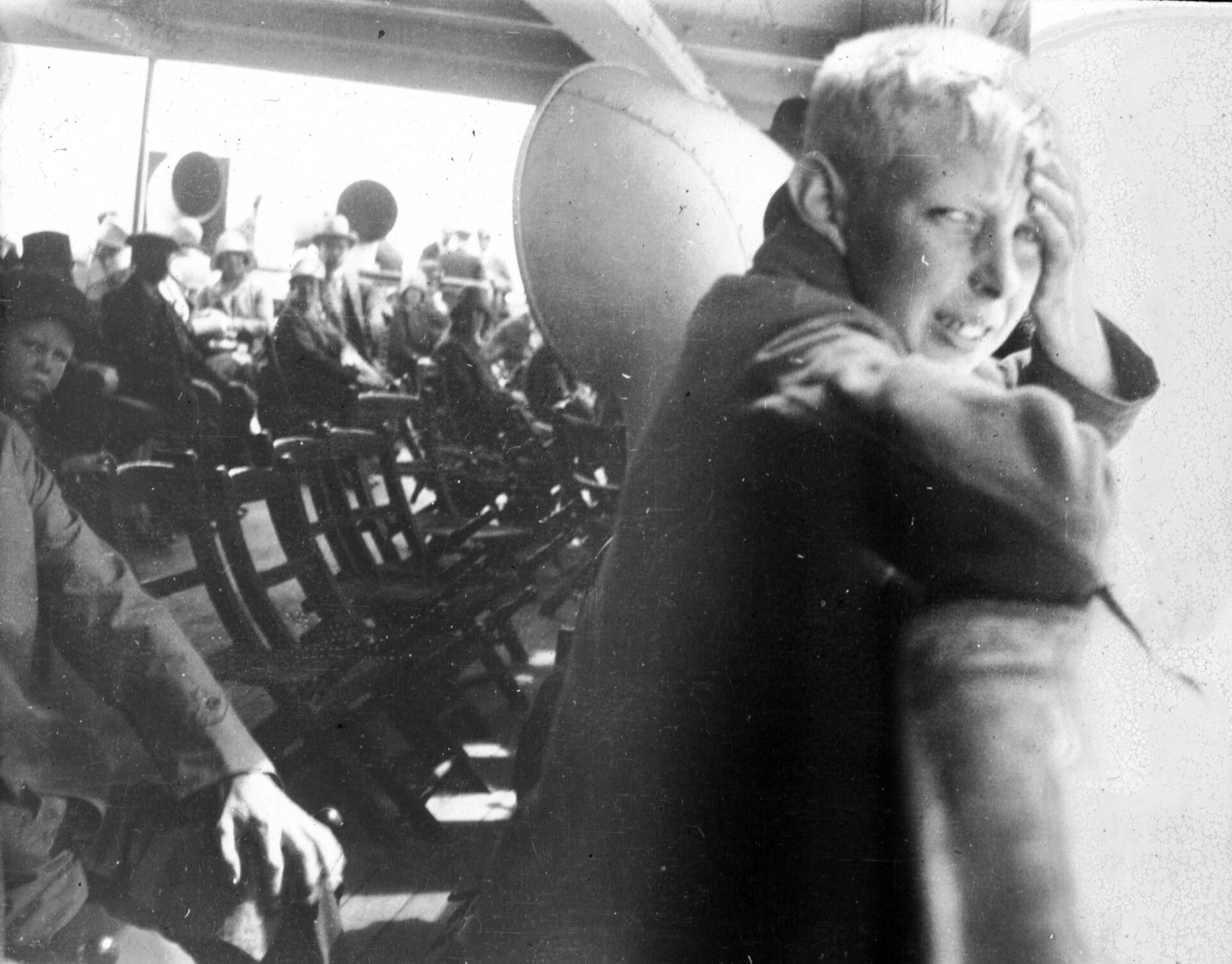
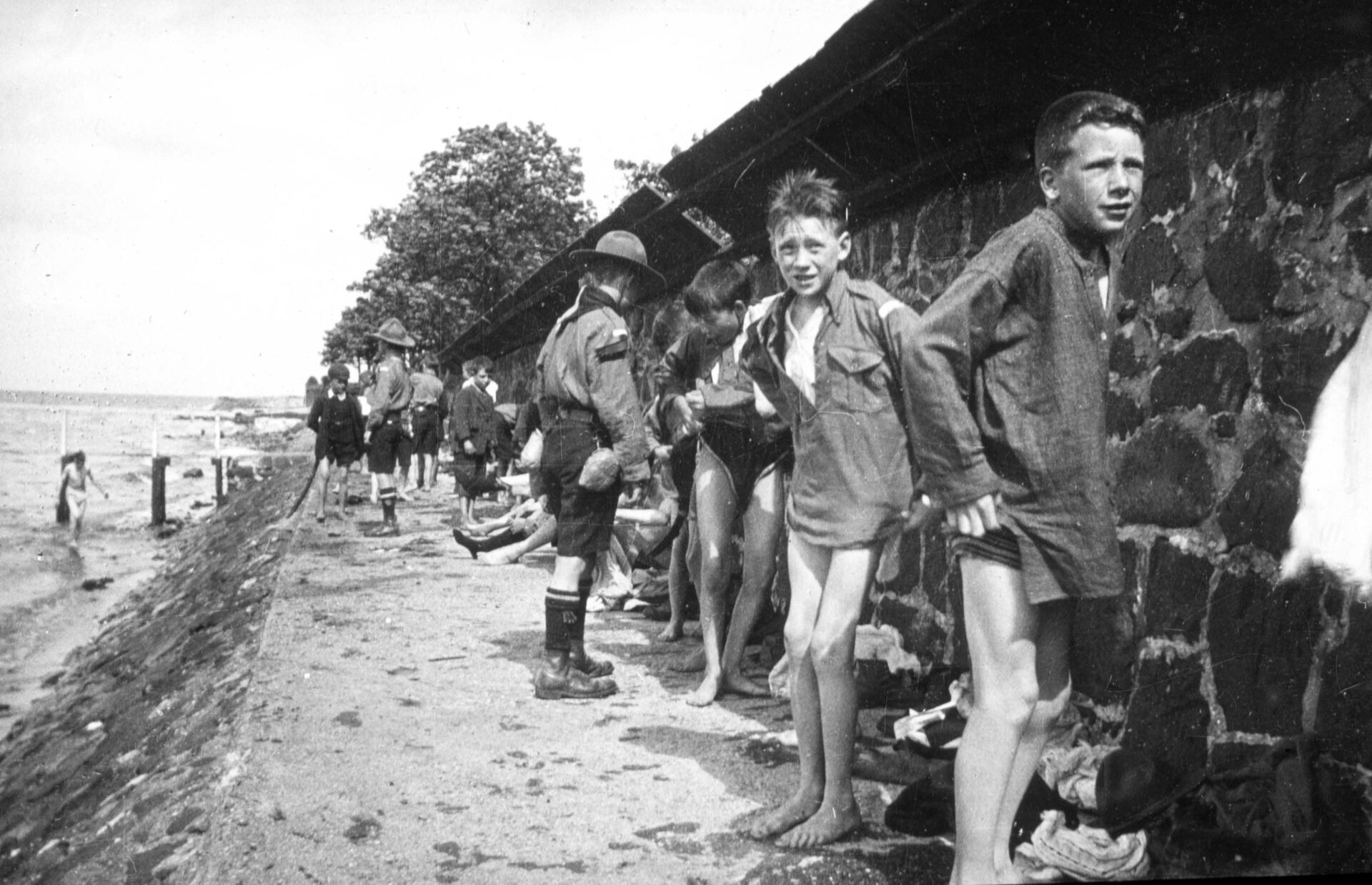
    Unknown Origin NI Scouts 1923-1928

    (Review in Culture NI magazine of exhibition held in Red Barn Gallery 2012)

    Good for the Red Barn, the ultimate scavengers of the photographic record! Literally so in this case: the 69 glass plates of extraordinary quality which have enabled this exhibition were rescued from an East Belfast skip. These images are all the more valuable because most centrally held Scout records were destroyed during the Troubles.

    A wave of nostalgia overcomes me! I too was once a Scout though in the early 1960s rather than in 1920-1928 as revealed here.

    The photographs mainly record summer camps and I am struck by the similarity between the experiences of these evidently halcyon days for the boys concerned and my own nearly forty years later.

    They use bell tents rather than ridge pole tents, they carry their gear to the camp site in splendid vehicles of the era, by hand cart, in horse drawn wagon, in a commandeered bread van, and they even utilise a donkey. In my day it was an ex army lorry. But their kit bags are the same as ours were. Other camp site features are familiar. The ubiquitous ‘Dixie’ in which vast stews were constructed over open fires, or on Heath Robinson ranges, was just as prevalent in 1960 as in 1920.

    There is a greater military precision and emphasis in the encampment of the 1920s as compared with the 1960s. The impact of Baden Powell was still fresh. The tents are in precise rows. The daily inspection was done with exactitude. Enormous union jacks flew over campsites. They seemed to have diminished or disappeared by my time. I know we still pledged our allegiance to God and the Queen, but we did so aware that it was an anachronism.

    Perhaps the early movement was saved from the fate of being just another paramilitary organisation by Baden Powell’s stern injunction that it should eschew politics. In Ulster it wasn’t possible to evade various talismanic features of identity. In Ireland, following partition, separate organisations developed North and South, but what is heart warming is that by the early 1970s they were already co-operating closely, and in the context of an international movement that even in the 1930s had won the endorsement of the League of Nations.

    Beyond any historical narrative what these photographs capture is young people enjoying new experiences, and having doors opened to them which might otherwise have remained closed for ever. If I have one regret about the focus of our anonymous photographer it is that he doesn’t stray far from the camp site itself. Perhaps his equipment was still unwieldy. But these camps were merely the bases from which we all sallied forth for wider adventures.

    For those who went to Newcastle climbing Slieve Donard was part of the experience. I was there myself a few weeks ago, and one of the reasons I still go to the mountains is because of my experiences in the Scout movement.

    There are still mysteries here. Which Scout Troop is involved? I have a suspicion that it may have been one from the County Antrim shore of Belfast Lough. In 1920 we find them bathing, and with evident pleasure at Whiteabbey. No Scouts from afar would have travelled especially for the pleasures of this always freezing and then somewhat polluted shore!

    Early camps were at Islandmagee, very much within that County Antrim bailiwick, though they do very much spread their wings. In Ulster Newcastle is a favourite, as with many other troops, though they also go to Ballygawley. By 1923 they get as far as Ardrossan in Scotland, followed by Blackpool in 1926 and 1927.

    The ultimate trip is to France in 1928. There are delightful shots here of the party on the cross channel ferry. They do the obvious and are found in front of the Arc De Triomphe, but they also visit the First World War battlefields with their freshly minted graveyards. Faces are more solemn here – no doubt not a few of their fathers were lost there.

    I doubt that any of these cheerful fresh faced and healthy looking boys are alive now. It would be great if one result of this exhibition would be to identify them.

    John Gray
  • Tony Merrick

    Tony Merrick

    Englishman Tony Merrick found himself in West Belfast on the weekend of the 14/15 August 1969 and proceeded to record the devastation around him. He kindly donated a selection to the BAP while on a revisit to the city in 2011.

  • Sean McCaffery

    Sean McCaffery

    Sean McCaffery was a community activist and campaigner who became involved in the ‘Demolish Divis’ movement of the 1970s-80s. He took these photos in the late 1980s at the start of the demolitions which he and others had fought for including images of the appalling conditions the residents had to endure in what were described as the worst social housing in Europe (1982).

  • Seamus F

    Seamus F

    I took these photos between 2008-2012 after noticing the huge increase in the number of rough sleepers on the streets of the city centre. This was a direct result of the bankers crash and the austerity measures that created a flood of people left without a home.

    Looking at these images now, I can see another wave of homelessness and poverty coming over the next few months as emergency measures introduced to deal with the impact of the coronavirus and the furlough scheme ends in October. We must prepare now for this pending disaster (the economic recession/depression will be six times worse than 2008) and look after our homeless as we head into winter.

    Seamus F’s Gallery

  • Vicky Cosstick

    Vicky Cosstick

    It was September 1977, I was living in New York and this was my very first visit to Ireland.  I arrived in Belfast via the ferry to Larne and went to stay in North Belfast with the mother and sister of a Northern Irish friend from New York. Without any ID or press pass, I presented myself to the barracks in Lisburn and told them I wanted to go out on patrol with the army so I could write an article.  (I am not sure how I got there but it was probably via a press officer contact in the Northern Ireland Tourist Board …)  With little ado, I was given a ride in a Saracen and sent out with a foot patrol in the Markets — allegedly pursuing the rumour of sniper fire.  I can remember what I was wearing — jeans and a red hooded sweatshirt.  My camera was a manual Fuji SLR with a wonderful 1.4 50 mm standard lens, with which I took many black and white photos until it was stolen in the 1990s.  My favourite of these photos is the portrait of the patrol — I think you can see both aggression and apprehension in their eyes; the other favourite, of course, is “soldier and child”, which was one of two photos published with an article in the New York Daily News in March 1978.

  • Robert Mercer

    Robert Mercer

    An Irish Australian not looking for trouble.

    Robert Mercer recalls how his family left Portadown for Australia in 1958 with photographic clarity: he remembers sitting in a black cab with his Mum and Dad and his two brothers, one of his brothers was crying. This lesson in grasping the pathos in each adventure has never left him. His photographic practice in Australia ranges from ‘straight’ documentary photography to manipulated painterly Polaroids, to scanned digital images, to whimsical phone-cam diaries. Yet in each genre he manages to blend extraordinary beauty with a sense of heartbreak.

    Consequently, Mercer’s long career as an image maker is marked by being political without seeming to try to be political. In his ground-breaking documentation of life in Australian Aboriginal communities, for example, he avoided sensationalism by concentrating on happy moments that nonetheless alluded to the troubled state of indigenous life.
    It is also thus when he makes the pilgrimage home to his birthplace.

    The photographs in the present show record a view of Ireland perhaps too well known by Irish people to prompt photographic recording. A sensibility honed by exile, however, and nostalgia for a homeland barely remembered, enable Mercer to capture that which is quintessential about Ireland but taken for granted by its inhabitants. At the same time, it is framed within an understanding of contemporary issues.

    Invited to a commemoration of the battle of Boyne, Mercer chooses first and foremost to photograph not the marches, the pomp and spectacle, but the humble family ritual of gathering, waiting at the station, boarding a train, pulling out from the platform. The people in these photographs are thus not posing for a public spectacle but just being themselves. Nonetheless, there is a tension and an excitement about the occasion. The troubles just do not go away.

    In Australia, such commemoration is almost unthinkable. European history and all its triumphs and animosities are as remote for us as its geographical location. But cultural character is fashioned through vicissitudes. So simultaneously there is a sense of loss in Australia, for community spirit has fewer opportunities to be re-enacted. Australian culture is moulded from far fewer iconic events and its myths of the past are less present in everyday reality. Mercer senses this, and sees such commemorations in Ireland as an opportunity to capture a living Irish character.

    It is the contradiction between social conflict and aggression on the one hand, and solidarity and social cohesion on the other that exposes the rich human character of Irish society. To an Australian, the personalities on both sides of the conflict appear to share more similarities than they possess differences. When Mercer does photograph marches, it is the human face of its participants that he concentrates on: a group of indeterminate allegiance winding down the hill, children carrying banners, a guild flag proudly hoisted. Somehow, it is not the disputes themselves but the fervour, the sheer involvement in community that matters.

    But Mercer is nonetheless also Irish. He is aware of the tragedy that underlies the passion. He is able to capture eternal Irish optimism and doggedness in his photographs of a storm-tossed voyage from Tory Isle to Donegal yet also see reflections of explosions in a window. Thus Bernadette Devlin at a march or Gerry Conlon of the Guilford four in a street debate, are as ordinary in Mercer’s Ireland as gawkers gathering in response to a car detonation, an empty barricaded street, a heavily armoured lunch wagon parked next to a housing estate, or a pall of smoke enveloping the city. At the same time, there is a romantic streak in his photographic choices. His street shots invariably reveal an eye for a pretty girl or a soft spot for a pub musician.

    This ability to merge contradictions is at its best when Mercer chooses to do portraits. Borrowing the format of security mug shots he nonetheless captures vibrant young personalities. His series of colour portraits thus undermines the mug shot convention from within. His subjects emerge as wonderfully human rather than dehumanised: victorious over all the vicissitudes that have beset Ireland.

    Robert Mercer is a retired senior lecturer at Queensland College of Art , Griffith University. He has remained research active through activities as an individual visual artist and collaborator. His research has centred on new technology based mediums and applications in photo media and installation, the position of contemporary art in post-modern societies, and the relevance of art practices in cross cultural communications. He has exhibited both nationally and internationally and has worked in numerous collaborations with Australian indigenous and non-indigenous artists. His work is in public and private collections including the Queensland Art Gallery and the National Gallery of Australia.

  • Perry Zachary

    Perry Zachary

    Perry Zachary, 96.

    I went into Van Buren in 1958. I moved into Church Lane around 1955. We were in number 58 for about ten years and then we moved to number 54. Gerry Kavanagh took over the shop at one stage and we moved out to Belmont Church Road and did the processing there. We produced a colour lab at the back of it and Ruth (my wife) and I worked there for the last ten years up until 1984. We stopped functioning in Church Lane in 1974. Gerry looked after the shop there. He died about two to three months ago, he was twenty-two years younger than me.

    The day the bomb went off was a Saturday, April 1st 1972. I was processing some films and looking out the window, and I saw that there was this hearse parked outside, all lovely and shiny. It was parked on the pavement at the pub which was across the road from us. At the time, I was looking out there was an army patrol of four soldiers who were coming down Church Lane. Because it was so close to the pub they had to hold their rifles above their heads and they went on down. I thought this was very strange that there was a hearse in Church Lane on a Saturday and seemingly parked there with nobody in it so I telephoned down to Gerry and asked him if he could find out anything about it. He said he would and I went upstairs and spooled I think was about four or five films wedding films and put them into the developer. Then I came down and just as I came down the phone rang and Gerry said “we have to get out as there’s a bomb, we had a warning.” I said, “well I can’t leave the films, I’ve just put them into the developer.” So I said “you go on ahead,” not that he needed any urging.

    I went upstairs and I took the films out a minute early and dashed down and grabbed my coat. I had a peep out at the thing outside. Church Lane all empty. I went up to the end and round the corner and five minutes after that – boom!. I went back again later when they allowed us back in and that’s when I took those pictures. Then I went upstairs and looked out from where I had been looking before and I looked at the wall behind me and there was all this glass stuck in the wall – terrible. I should have taken a close-up of that! But I grabbed that Olympus camera that seems to be so attractive to Bill Kirk and took some snaps. It had a black and white film in it, thats how the pictures came about – snap shots.
    The roof was taken off and I had to get some felt type stuff put on the roof to keep the water out but luckily it was dry and it was one hell of a job to clean up the whole place, so much glass and everything, shattered. I don’t know how we managed but we did so eventually. The shop was restored but for a long time there was just a temporary front put in with a thing saying, ‘business as usual’ but it wasn’t quite. However, it was all an interesting experience in retrospect.

    My wife heard the bang, I was on the phone to her and she heard the explosion from Belmont Road. 500 pounds of home-made explosive in the coffin, the story you can read from the cuttings I have where they hi-jacked the hearse and put the bomb in it. What I wonder at is just how accurate their timer would be, that they could predict more or less when it was going to go off? However, having being in the bomb-making business in the army, I knew while I was in the back of the building I was reasonably safe. But certainly I wasn’t safe while I was looking out the window. Well, I didn’t delay too much at that. It took a lot of getting over but that’s the story. When one thinks back how I had a lifetime of, well, I was in the army and for ten years. I was involved in shooting and bombing and everything and I was never ever as close to getting the chop.

    February 2019.

  • Noel Quinn

    Noel Quinn

    The Life’s work of an unknown Photographer (Late 1800s)

    Having been given a collection of quarter plate glass negatives in 1994, by a friend who thought they would be of historical interest to me, I started to work on them in my darkroom, hand printing and retouching these very degenerated images. Interesting as they were, it quickly became apparent that it would take a lifetime to make anything of the 230 pictures in the collection so I abandoned the project after only two weeks. The negatives were boxed and stored until they surfaced again during a clear out of my house in 2012.
    Now with the introduction of digital technology, the task of rephotographing and retouching this set of negatives became a realistic possibility and in December 2012 I began the arduous task of indexing and archiving them.
    The more time I spent working on this project the more familiar I became with the subjects that appeared, sometimes in several different locations, and in different groups, made me aware of the fact that they were all taken by the same photographer, who was privvy to record occasions and events, sometimes of a very sensitive nature, portraying the poverty stricken working class right through to the wealthy, well dressed upper class.
    The soulful stare of a sick and dying child as he peers from between the bedsheets,into the lens of our author, the same child that is seen being tended to by a uniformed nurse and finally laid out dead on the same bed, surrounded by floral tributes. Another picture showing the dead childs sister standing over the body, is so touching it would take the tears out of a stone.
    Pictures depicting men bottling illegal liquor somewhere out in the country are coupled with shots of the R.I.C. confiscating alcohol making stills and then ,strangely, portraits of the very constabulary members , posing with their families, that captured the stills.
    There seemed to be a number of unanswered questions emerging, why was our lensman allowed to picture these scenes, where did his loyalties lie, and what was the purpose of this collection??
    These are not happy snaps, and with the greatest respect, have been taken in an amateurish way, given the number of basic technical mistakes that recur, double exposures , half blank plates etc. Nevertheless they are a raw and true record of social history in Northern Ireland, before and over the turn of the century, which have been unseen in over 100 years.
    Recent publication in the media has confirmed that at the centre of this story is the family name “Robb” . Immediately after the story appeared in the press, I was contacted by a gentleman, who lives within half a mile of my house, Jim Robb, who was able to identify some of the people in the pictures and more importantly, give me an invaluable insight into the Robb family history dating back to 1653.
    The family includes the owners of Robbs Dept store in Belfast and Toronto, the Rev Robb, who the Belfast City Hospital, Gardner Robb ward was named after and the famous writer, Nessca Robb who donated Lisnabreeny House to the National Trust in 1937. There were international sportsmen and athletes in the family and a wealth of other esteemed members.
    I am still no closer to finding the identity of the unknown photographer but, now with the help of The Red Barn Gallery, Rosemary St, Belfast, I am hopeful that the exhibition which opens on 28th November at 6pm, will possibly solve the mystery which is over 100 years old.

    Noel R. Quinn

    New-found Images from RJ Welch and JSH Philips.


    Belfast Naturalist Field Club. c.1900.

    Saved from the re-cycling bin by photographer Noel Quinn, this selection of 36 of 130 images, offer us a glimpse into the more personal sides of Welch and Philips. These never seen before non- commissioned slides, show them with friends and colleagues in the Belfast Naturalist Field Club. From strange geological structures on Arran, to Holy Wells in Kenmare, this exhibition offers a rare insight into their curious pastimes.

    A major find in the history of Irish photography, this is another example of how the BAP has become a repository for new found collections.
    This collection surfaced as a result of my recent exhibition, “The life’s work of an unknown photographer.” I was contacted by several people who, having read the press coverage, presented me with collections of glass plate negatives and lantern slides to see if they could be restored and exhibited in a similar manner. The most interesting of these collections was this rare treasure trove of Welch and Phillips lantern slides bought in a house clearance sale, some 30 years ago.

    It has been my privilege to work along with Frankie Quinn in the restoration process in bringing life to yet another piece of photographic history, which would have remained boxed and unseen if it were not for the existence of the Belfast Archive Project.

    Noel R. Quinn